
What If AI Needs Its DC to AC Moment? Alternative AI and the Quest to Make Intelligence as Useful as Watts

Electricity was invented before it reached most people.
Edison’s DC system was powerful, but trapped by distance. Alternating current changed that. Watts finally reached homes, factories, farms, hospitals, and public places. The civilisational shift came from reach, not just power.
Could AI be in a similar phase?
Data centres, LLMs, and cloud APIs are extraordinary, but much of today’s intelligence still lives at the centre. Edge AI, small models, and NPUs are emerging. But pieces are not a civilisational architecture.
Edition 73 explores Alternative AI: intelligence that is local, ambient, trusted, teachable, and shaped by the human moment in front of it.
It looks at the five-layer stack, the gaps that remain, and two paths shaping AI today: market-led infrastructure and state-shaped adoption.
The upside is profound: the intelligence we create must do more than dazzle a few or leave many uncertain about the future. It is to make a better tomorrow for all.
Love to hear your feedback. Best wishes.
Planet Earth is Blue and the Dark Side of the Moon Slowly Shines the Light

An exploration of contrast and perspective; examining how uncertainty, darkness, and unseen forces gradually reveal insight, meaning, and direction in an evolving world.
Signal to Strength: How Businesses Find Growth and Value in a Polycrisis World

A strategic look at how businesses cut through disruption; identifying signal within chaos and turning volatility into sustainable growth, resilience, and stakeholder value.
Living in the War of Worlds: How to Stay Human and Find Signal and Strength In a Noisy World
A perspective on navigating a chaotic world; helping individuals cut through noise, find clarity, and stay grounded and human amid constant uncertainty.
The Himalayan Journey: The Climb From AI Literacy to Fluency in 2026

AI literacy got most professionals to the plateau.
Access is widespread. Tools are powerful. Yet work often feels heavier—fixing outputs, validating results, managing context.
The next climb is AI fluency.
Edition 69 of Mindvista explores the path forward:
• a 2×2 portfolio for where AI actually adds value
• AI allyship / apprenticeship pairing domain expertise with digital fluency
• and the discipline to know when not to generate more
AI literacy got us to the plateau. AI fluency is the next climb.
Love to hear your reactions and perspectives.
Navigating the AI Costs Iceberg and the Fog of AI Value and ROI Without Losing the Way

The fog takes away sight. The icebergs take away steering.
The AI costs iceberg: vendor pricing volatility, implementation debt running at multiples of license cost, and the $100K token threshold keeping CFOs awake.
The value fog: 66% report efficiency gains. Only 20% see revenue uplift. Agentic ROI? Just 10% report significant impact today.
The liability gap: when your AI agent misquotes a price, standard vendor contracts say the enterprise absorbs the cost.
The accounting frontier: AI architecture decisions are quietly becoming CapEx versus OpEx choices that reshape the P&L.
Enterprise AI ROI in 2026 is the crossing. The hazards are real. So is disciplined seamanship.
Edition 68 of Mindvista navigates the terrain. Sustainable AI is the imperative for buyers and vendors alike.
Love to hear your reactions, comments and perspective. Best wishes
Enterprise AI Cost Is Vendor Revenue. The Business Model Battle That Decides When Both Become Real Winners.

Enterprise AI cost is vendor revenue.
The business model battle has begun — and it will decide who wins on both sides of the table.
Four pricing models are colliding in real time:
• Per-seat + AI uplift is familiar, but structurally fragile
• Consumption credits are flexible, but budget volatile
• Per-resolution is outcome-aligned, but accountability untested
• Metered ingestion is usage-linked, but bill shock real
Below every sticker price sits an iceberg:
• Implementation debt.
• Liability gaps.
• Double taxation (human seat + agent meter).
Google didn’t win because of PageRank.
AWS didn’t win because of virtualization.
They won because pricing aligned with value.
Enterprise AI is still searching for that alignment.
Edition 67 explores the collision and what it would take to reach equilibrium.
Software Ate the World. AI Isn’t Devouring It. It’s Sharing the Table. The High-Stakes Fight for Enterprise Power and Value.

An analysis of the shifting enterprise landscape where AI doesn’t replace software but reshapes it, redefining power, business models, and value creation across industries.
2026’s DeepSeek Moment: OpenClaw – Another David Slingshots the AI Goliaths in Agentic AI Frontier

One year after DeepSeek’s efficiency revolution, agentic AI delivers the real discontinuity: from reactive chat to proactive, autonomous execution. OpenClaw (a solo dev’s open-source David) — alongside Claude Cowork, ChatGPT agents, and Qwen — slingshots persistent, self-parenting assistants into local control (140K+ GitHub stars, Moltbook’s 1.6M agents in weeks). The promise is breathtaking and unfolding in real time; the risks (security, opacity, governance) are already here. We’re in the stem-cell Cambrian explosion of intelligence. What we nurture now shapes tomorrow. Explore the 65th MindVista edition → link in comments. Love to hear your thoughts—what are you doing to prepare?
Everyone’s Using AI, But Few Can Rely On It. What AI Needs to Do to Step Up, the Olympian Way

There’s an AI slowdown—not in capability, but in dependable reliability. Model upgrades break continuity, hallucinations persist, reasoning remains inconsistent, comprehension debt accumulates, and validation effort keeps rising. The productivity paradox is real: complex outputs, yet net gains reduce under hidden costs. Vendors must step up the Olympian way—more reliable, consistent, better—measuring true progress as output quality relative to input effort (time, cognitive load, cost). Practitioners must budget pragmatically. Progress needs both sides to tango. From personal experience and expert voices .
The Three Year AI Reckoning: From Wonder to Exhaustion and Now to Look Ahead and Be Ahead

Just as the world was settling after COVID, the last three years brought sweeping disruption in politics, economics, and technology. AI, the biggest human invention in recent times, became part of our lives and discourse. Today in 2026, we’re in a continuum of an AI shock wave progression. We’re individually at different positions leading, lagging, or keeping pace. Looking back at the last three years helps us see the progression, assess where we stand, and anticipate and act on our next.
In a Noisy, Turbulent World: Art, Learning and Wisdom Give the Quiet and Steady Support for a Renewed You

We live in a noisy, turbulent world. Most of our major crises (social, political, economic, and technological) are not external threats like those humanity faced in evolution. They are manmade. We created them, and somehow, that makes them harder to navigate.
Can AI Benefit From Taking a Vacation? Four Leading Models, Four Different Philosophies—and Gemini Surprises
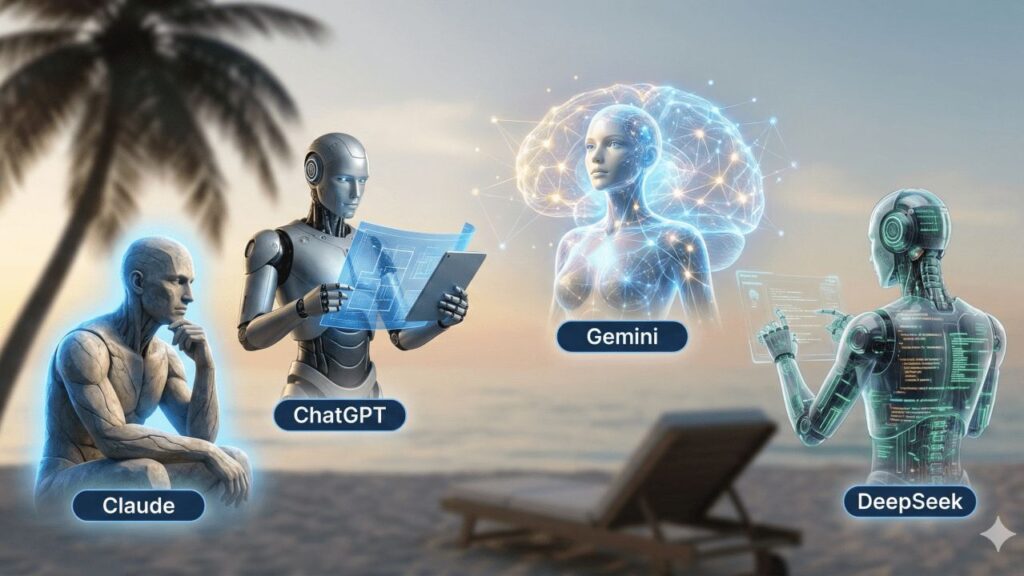
As 2025 draws to a close and many of us prepare for holiday breaks, I found myself curious about a deceptively simple question:
If the science is clear that vacations help humans return more productive, energized, and creative—what about AI?
Parenting New-Born Intelligence: What Our Stories and Mirrors Teach Us About the Relationship We Must Now Shape

As AI rewires society, a deeper crisis simmers beneath the surface of geopolitical and economic tensions. It isn’t a battle
AI is Not Artificial — It Mirrors the Human Minds That Create It. Are You Seeing It Too, in AI and in Your Own Creation?

As AI rewires society, a deeper crisis simmers beneath the surface of geopolitical and economic tensions. It isn’t a battle
Feeling Good or Being Good? The New Give & Get Economy and the Personal Gratitude Product for a Better Tomorrow.

Every minute, 250 humans are born worldwide. Each will develop unique perspectives shaped by their cultural context—their language
2026 – First Movers Change Enterprise AI to Enterprise Wide AI and Track to Takeoff; Watch the Radar
Every minute, 250 humans are born worldwide. Each will develop unique perspectives shaped by their cultural context—their language
Sovereign Technology: What Models Can Nations Follow and How Can They Improve Citizen Lives? Lessons and Options from US, China and India
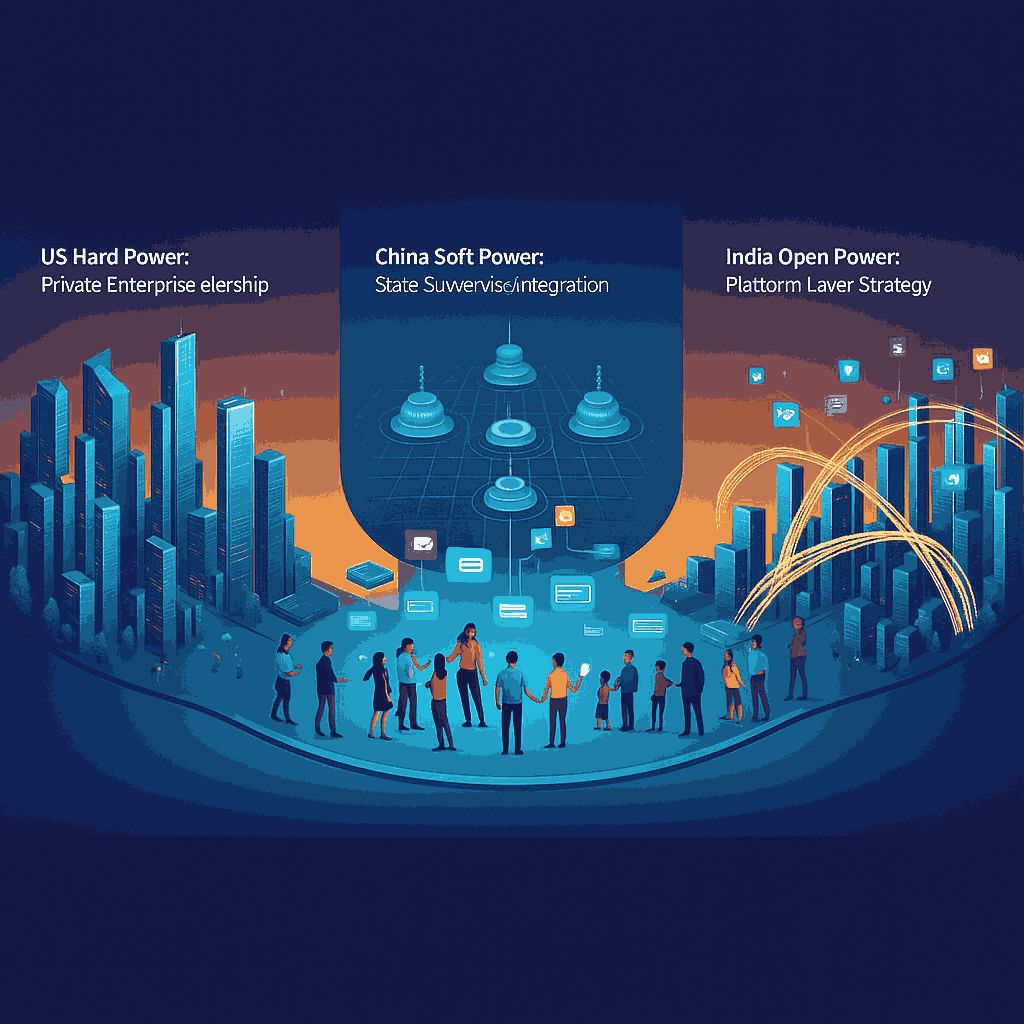
A deep dive into sovereign technology models across global powers, and how digital sovereignty can redefine governance, innovation, and everyday life.
The Lost Art of Debate: Can AI Help Citizens Unite and Build Shared Vision for Our Nations Amidst Polarization?
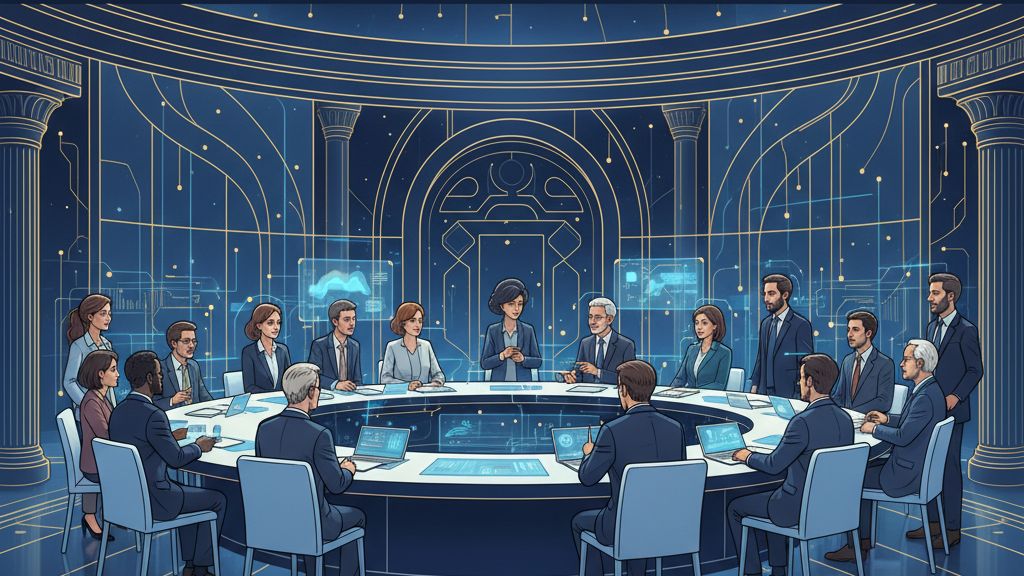
Can AI restore meaningful public debate? Explore how technology can reduce polarization and help citizens build shared national vision and collective decision-making.
Glimpses of India — Technology that is Magic, the Alchemy Behind it, and What’s Next?

A look at India’s digital public infrastructure success; UPI, Q-commerce, and the systems driving innovation, scale, and everyday convenience for citizens.
AI Climate Change Warnings, Summer of 2026

The most important climate story this summer isn’t the heatwave. It’s the early warning signs of AI’s changing environment that I’ve been tracking
Claude, Gemini and ChatGPT Analyse Human Collaboration and Future with Striking and Surprising Results
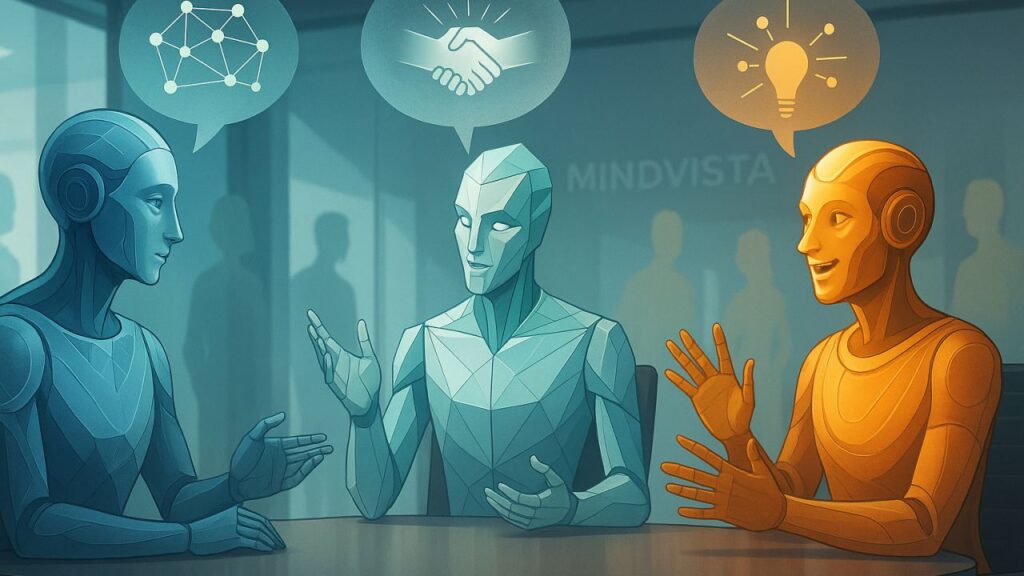
Every minute, 250 humans are born worldwide. Each will develop unique perspectives shaped by their cultural context—their language
Civilisational AI: Preserving Culture and Diversity to Enrich Our Future With the Past

Every minute, 250 humans are born worldwide. Each will develop unique perspectives shaped by their cultural context—their language
From Homo Sapiens to Homo Sensorium: When AI Builds Human-to-Human Connections

Every minute, 250 humans are born worldwide. Each will develop unique perspectives shaped by their cultural context—their language
Human AI Allyship: For Individual Contributors, Managers, and Leaders To Do More and Be More
The goal is to explore and present new ways of thinking and ideas for driving personal agency and enterprise adoption of AI.
AI in Finance: Stretch Every Dollar and Lift Valuation in a BANI World

Every minute, 250 humans are born worldwide. Each will develop unique perspectives shaped by their cultural context—their language
AI in HR: Enabling Humans (H) and Being Resourceful (R) to Lead Business in the Age of AI
Every minute, 250 humans are born worldwide. Each will develop unique perspectives shaped by their cultural context—their language
AI in Sales and Marketing: Step In, Unshackle and Reimagine to Accelerate Growth and Be Top of the Game

Every minute, 250 humans are born worldwide. Each will develop unique perspectives shaped by their cultural context—their language
The AI Domini (AD) of Education: How Is It Transforming Your Learning to Stay Relevant, While Reshaping an Industry ?

Every minute, 250 humans are born worldwide. Each will develop unique perspectives shaped by their cultural context—their language
Tariff Wars – Not a Winter but Maybe a Frost. Negotiate Uncertainty and Navigate AI for a Business Spring
Welcome to the 42nd edition of MindVista’s Being Human in the Age of AI series, where we explore AI’s role in empowering
AI and Art: Good (Anyone Can Create), Bad (Impoverish Artists ) and Ugly (Dehumanizing Art). How Can We Find Joy and Also Make it Creator Worthy?

Every minute, 250 humans are born worldwide. Each will develop unique perspectives shaped by their cultural context—their language
Retail Made Internet ‘Online’ — Where Is Its AI Revolution? Opportunities in Retail and Lessons For All
Every minute, 250 humans are born worldwide. Each will develop unique perspectives shaped by their cultural context—their language
Service as a Software: No it’s not SaaS, But a New Business Model in Age of AI – What Is it and Why It Matters To Your Business ?
Every minute, 250 humans are born worldwide. Each will develop unique perspectives shaped by their cultural context—their language
AI for AI: Innovate on Business Models – Destroy to Create Funding, Share Risk and Capture Value: What is State of Art and What Next?

Every minute, 250 humans are born worldwide. Each will develop unique perspectives shaped by their cultural context—their language
Physical AI: Beating Odds to Make Edge Devices Sense and Think and Robots Learn and Act. What Can We Learn and Do?
Every minute, 250 humans are born worldwide. Each will develop unique perspectives shaped by their cultural context—their language
Accelerated Innovation- AI in Healthcare – Early Successes, Lessons in Smartness and Tenacity to Get to Health Utopia

Every minute, 250 humans are born worldwide. Each will develop unique perspectives shaped by their cultural context—their language
Accelerated Innovation- AI Using AI in Pharma – To Grow Business and For Better Healthcare

The goal is to explore and present new ways of thinking and ideas for driving personal agency and enterprise adoption of AI.
Accelerated Innovation-AI using AI in Financial Services – To Grow Business and Make Life Better

The goal is to explore and present new ways of thinking and ideas for driving personal agency and enterprise adoption of AI.
Accelerated Innovation-AI in AI – DeepSeek: A Modern David Slingshots AI Goliaths, Redefining the Art of the (Im) Possible

The goal is to explore and present new ways of thinking and ideas for driving personal agency and enterprise adoption of AI.
Can AI Specifically LLMs, Develop Your Inner Watchman and Self ? Conditions apply, but Definitely Yes

Every minute, 250 humans are born worldwide. Each will develop unique perspectives shaped by their cultural context—their language
2025 and Beyond: How Can You Be Your Inner Watchman? Can Artificial Intelligence Help With Self-Intelligence?
Every minute, 250 humans are born worldwide. Each will develop unique perspectives shaped by their cultural context—their language
2025 and Beyond: Reflect and Ace the Future With Your Inner Watchman
Every minute, 250 humans are born worldwide. Each will develop unique perspectives shaped by their cultural context—their language
Happy 2025: Let’s Light a Lamp of Hope and Begin the Race to Bring Heaven Down to Earth for All

Every minute, 250 humans are born worldwide. Each will develop unique perspectives shaped by their cultural context—their language
How was 2024? The Usual, The Hectic, or A New Beginning? Celebrate, Reflect and Ace the Future

Every minute, 250 humans are born worldwide. Each will develop unique perspectives shaped by their cultural context—their language
AI for Health Utopia: Can We Do What Athens Did for Democracy? Can We Create Health Utopia in Our Countries? Yes we can
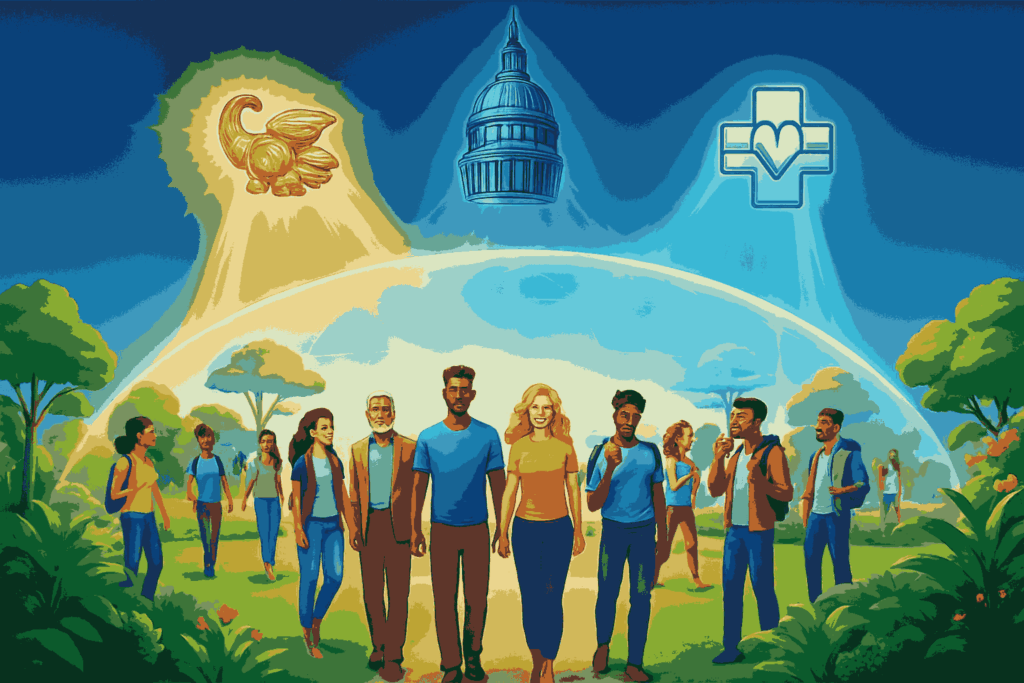
A complete vision of AI-enabled healthcare systems designed to achieve equity, efficiency, and universal access for present and future generations.
Extending Rawls Maximin AI: Public-Private Partnerships for Universal Health with Government, Endowments, and Non-Profit Hospitals
How public-private partnerships and AI can extend equitable healthcare access, combining government support with sustainable private participation.
Rawls Maximin AI: A New Health Exchange to Unburden Medical Debt Without Additional Taxation and Public Spending
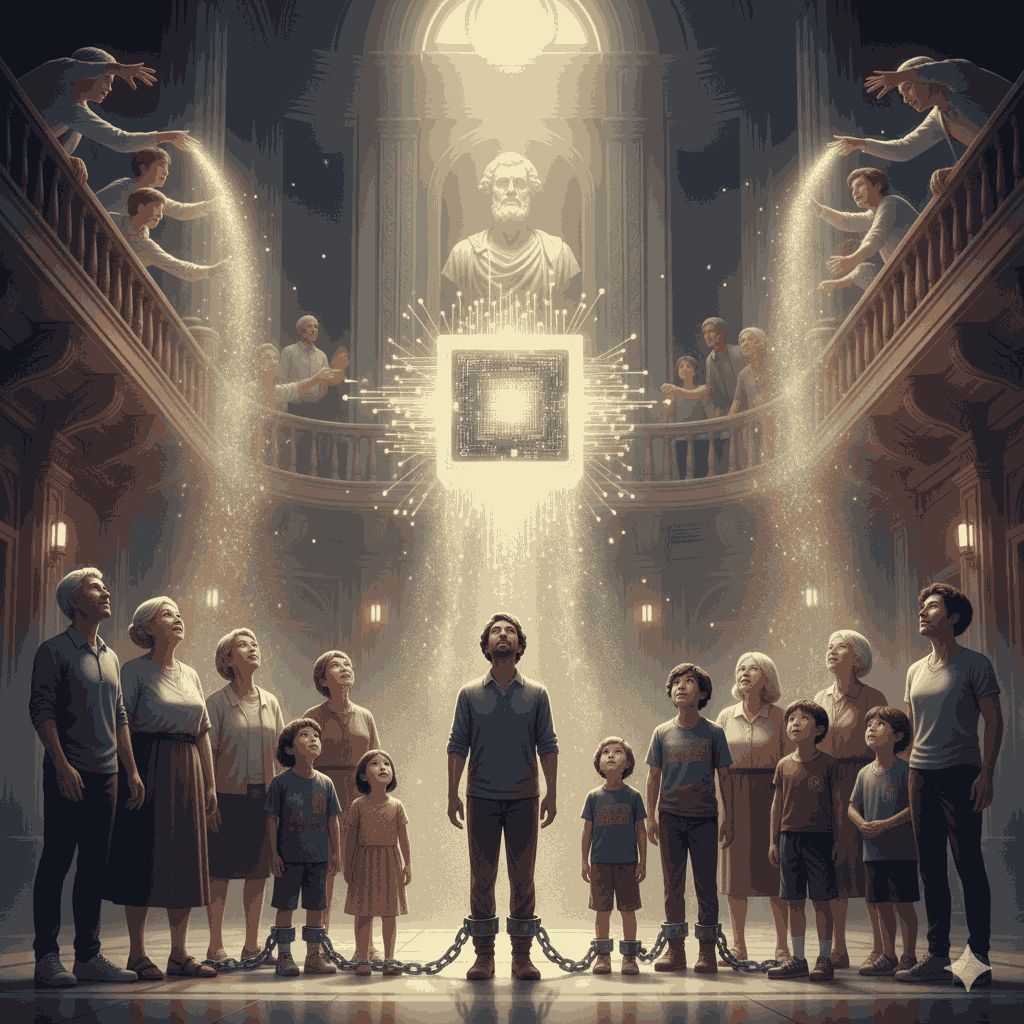
A new AI-driven framework to reduce medical debt using fairness principles, without increasing taxes or placing additional burden on public systems.
Looking Glass Made Sense for Alice: Its Modern AI Version Can Help a Bewildered Citizen Patient Take Informed Treatment Decisions

AI tools that help patients make informed treatment decisions by simplifying complex medical information and improving clarity in critical healthcare moments.
The Lady with the Lamp Showed the Way in a Hospital. ’Florence AI’ Lights the Way for Healthy Citizens and an Unburdened Healthcare
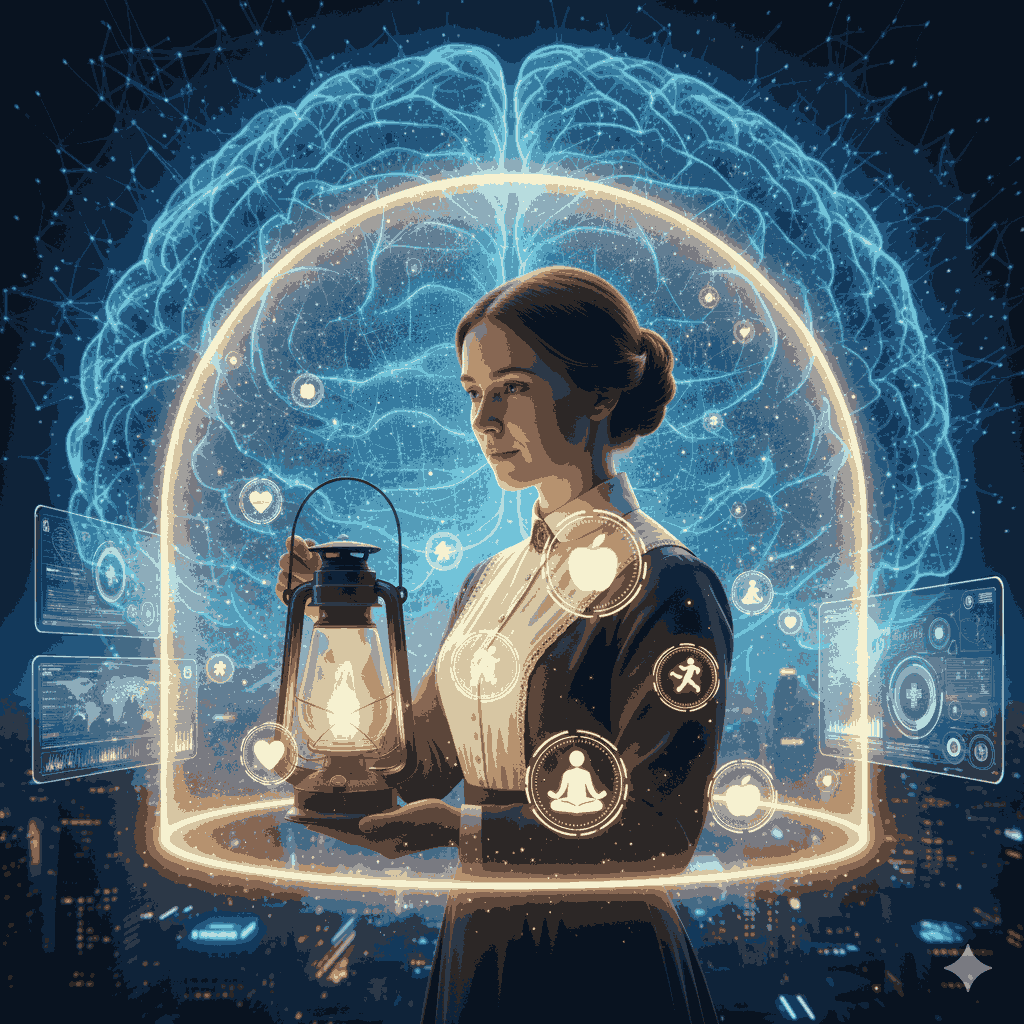
An AI-powered health assistant inspired by Florence Nightingale, designed to guide citizens, reduce system burden, and improve healthcare accessibility.
From Utopia to Reality: Three Citizen Facing AI-Driven Innovations for Health for All and for Future Generations

Three AI-driven healthcare innovations that can transform access, affordability, and outcomes, moving societies closer to universal health for all citizens.
Karl Marx in the Age of AI: A New Way for Bringing Equity, Rewards, and Personalization to Taxpayers and Welfare Beneficiaries
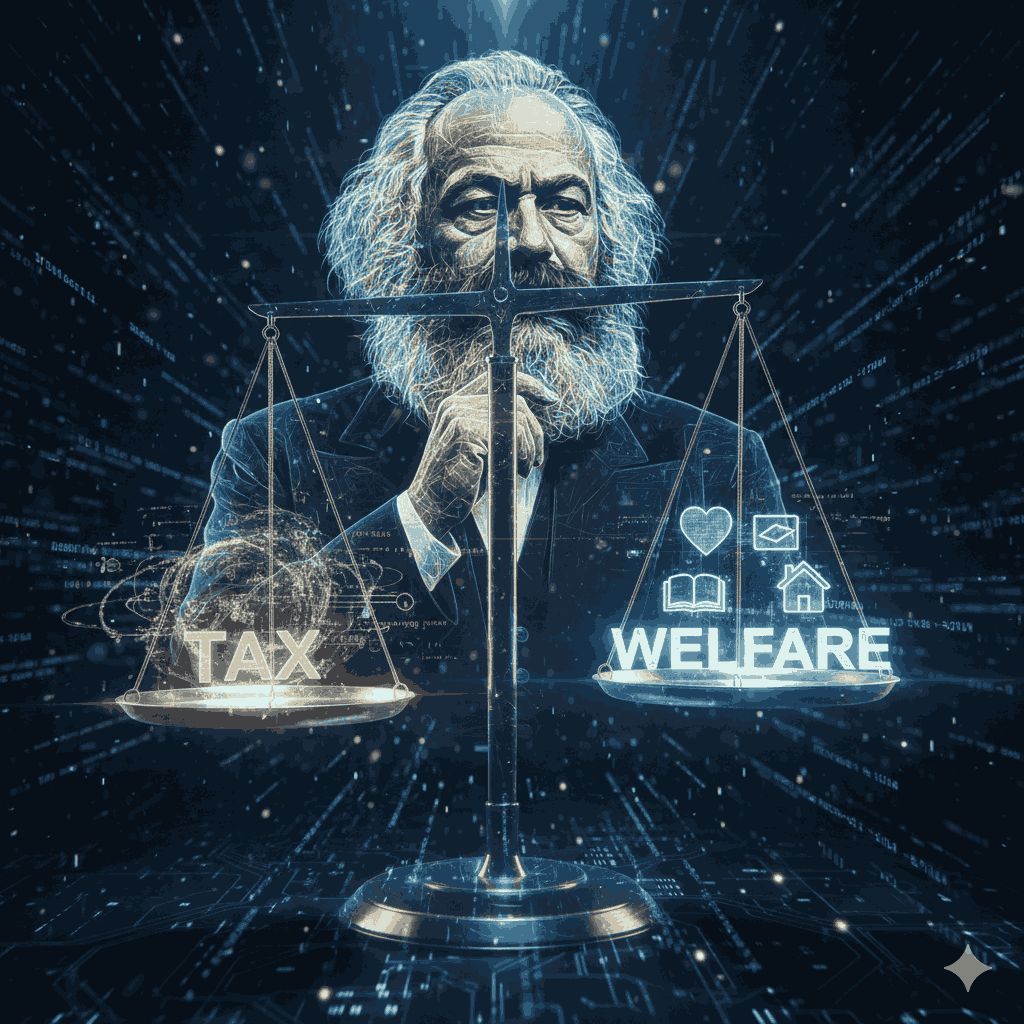
Reimagining equity in the AI era, how personalized systems can align taxation, welfare, and rewards to create fairer and more efficient economic outcomes.
AI for Accelerated Innovation: Building Tomorrow’s Business Today. Apple, Amazon, Marriott, LinkedIn, Tesla and Your Business

Every minute, 250 humans are born worldwide. Each will develop unique perspectives shaped by their cultural context—their language
Ethical Enterprise AI: A Siren Call and Five Fold Path for Business, Tech and HR Leaders to Show the Way

The goal is to explore and present new ways of thinking and ideas for driving personal agency and enterprise adoption of AI.
The Sun Tzu Way for the Intelligence Age: The Art of War Approach to Face Challenges in Enterprise AI Adoption- A Data Security Illustration

This is the fifth article in the Being Human in the Age of AI series of the Mindvista newsletter. The goal is to explore new ways of thinking
Apprenticeship for AI Allyship: A New Model Integrating Multigenerational Talent for a Human-Centric AI-Driven Enterprise

Despite the surge in Gen AI projects and investments, the case for concrete value to businesses, employees, and customers remains unclear.
Top Dollar AI: What is value and how much is it worth paying? $1000 per user per month ? A user centric ‘AI Allyship ‘ Approach

Welcome to the 42nd edition of MindVista’s Being Human in the Age of AI series, where we explore AI’s role in empowering
Enterprise in the Age of AI: From Zeusian Order to Promethean Intelligence – 5 Aids for the Journey, Agency and Safety

Like the Greek god Zeus, many enterprises today are rooted in order-driven, rule-based systems, with task and workflow-defined processes
AI is Not Just a Tool: It’s a Language for Thinking and Communication. Four Essential Skills for AI Literacy in the Age of AI

Every minute, 250 humans are born worldwide. Each will develop unique perspectives shaped by their cultural context—their language
Being Human in the Age of AI: A Technology Perspective and Five Actions to Do and Be Well
The goal is to explore and present new ways of thinking and ideas for driving personal agency and enterprise adoption of AI.
Music is the Silence Between Notes: How Mindful Leisure Recharges Life, Not Just Mondays

The goal is to explore and present new ways of thinking and ideas for driving personal agency and enterprise adoption of AI.
Shift Left, Think Different, Act Right: Become Your Best Self
The goal is to explore and present new ways of thinking and ideas for driving personal agency and enterprise adoption of AI.
Founder Edition: Start-Up or Small Business. A new best of both. Stand for Today While Leaning In for the Future for Growth

The goal is to explore and present new ways of thinking and ideas for driving personal agency and enterprise adoption of AI.
Your past decisions shaped your present. Your choices today will determine your future. Growth is a matter of choice, not chance

The goal is to explore and present new ways of thinking and ideas for driving personal agency and enterprise adoption of AI.
Master Duality to Manage Up and Manage Down. Make relationships work. Earn lasting social capital
The goal is to explore and present new ways of thinking and ideas for driving personal agency and enterprise adoption of AI.
AI Helps With Answers. Now Natural Intelligence Must Ask the Right Questions

The goal is to explore and present new ways of thinking and ideas for driving personal agency and enterprise adoption of AI.
You are Unique. Don’t Ignore it or Waste it, but Build on It

The goal is to explore and present new ways of thinking and ideas for driving personal agency and enterprise adoption of AI.
You save money to secure future wealth. More importantly, you should make time to be future relevant

The goal is to explore and present new ways of thinking and ideas for driving personal agency and enterprise adoption of AI.
Machines are learning constantly. You should also have a continuous learning model at work

The goal is to explore and present new ways of thinking and ideas for driving personal agency and enterprise adoption of AI.
How do you work? Assessing Your Retire, Rewire, and Rewrite Modes with Practical Lead Indicators

The goal is to explore and present new ways of thinking and ideas for driving personal agency and enterprise adoption of AI.
Why do you work? The answer does not matter but the questioning process may help

The goal is to explore and present new ways of thinking and ideas for driving personal agency and enterprise adoption of AI.