


Best wishes

All Vistas
Civilization
-
What If AI Needs Its DC to AC Moment? Alternative AI and the Quest to Make Intelligence as Useful as Watts
-
Planet Earth is Blue and the Dark Side of the Moon Slowly Shines the Light
-
The Jedi Behind the Force of AI: As the Dark Side Creeps, Do We Need AI to Go Nuclear—Not Just for Power, but for Restraint?
-
Parenting New-Born Intelligence: What Our Stories and Mirrors Teach Us About the Relationship We Must Now Shape
-
AI is Not Artificial — It Mirrors the Human Minds That Create It. Are You Seeing It Too, in AI and in Your Own Creation?
Enterprise AI Acceleration
-
Everyone's Using AI, But Few Can Rely On It. What AI Needs to Do to Step Up, the Olympian Way
-
2026 - First Movers Change Enterprise AI to Enterprise Wide AI and Track to Takeoff; Watch the Radar
-
AI Climate Change Warnings, Summer of 2026
-
Tariff Wars - Not a Winter but Maybe a Frost. Negotiate Uncertainty and Navigate AI for a Business Spring
-
Ethical Enterprise AI: A Siren Call and Five Fold Path for Business, Tech and HR Leaders to Show the Way
Enterprise AI Innovation
-
Signal to Strength: How Businesses Find Growth and Value in a Polycrisis World
-
Navigating the AI Costs Iceberg and the Fog of AI Value and ROI Without Losing the Way
-
Enterprise AI Cost Is Vendor Revenue. The Business Model Battle That Decides When Both Become Real Winners.
-
Software Ate the World. AI Isn’t Devouring It. It’s Sharing the Table. The High-Stakes Fight for Enterprise Power and Value.
-
2026's DeepSeek Moment: OpenClaw - Another David Slingshots the AI Goliaths in Agentic AI Frontier
Life
-
If Everyone Must Build Their Own Life, Who Helps the Builder?
-
Living in the War of Worlds: How to Stay Human and Find Signal and Strength In a Noisy World
-
In a Noisy, Turbulent World: Art, Learning and Wisdom Give the Quiet and Steady Support for a Renewed You
-
Feeling Good or Being Good? The New Give & Get Economy and the Personal Gratitude Product for a Better Tomorrow.
-
Claude, Gemini and ChatGPT Analyse Human Collaboration and Future with Striking and Surprising Results
Work
-
How Can You Build the Future of Your Work From What You Do Today? What Can Leaders Do?
-
The Himalayan Journey: The Climb From AI Literacy to Fluency in 2026
-
The Three Year AI Reckoning: From Wonder to Exhaustion and Now to Look Ahead and Be Ahead
-
Can AI Benefit From Taking a Vacation? Four Leading Models, Four Different Philosophies—and Gemini Surprises
-
Human AI Allyship: For Individual Contributors, Managers, and Leaders To Do More and Be More
Society
-
How Can You Build the Future of Your Work From What You Do Today? What Can Leaders Do?
-
The Himalayan Journey: The Climb From AI Literacy to Fluency in 2026
-
The Three Year AI Reckoning: From Wonder to Exhaustion and Now to Look Ahead and Be Ahead
-
Can AI Benefit From Taking a Vacation? Four Leading Models, Four Different Philosophies—and Gemini Surprises
-
Human AI Allyship: For Individual Contributors, Managers, and Leaders To Do More and Be More
All Vistas
Civilization
-
What If AI Needs Its DC to AC Moment? Alternative AI and the Quest to Make Intelligence as Useful as Watts
-
Planet Earth is Blue and the Dark Side of the Moon Slowly Shines the Light
-
The Jedi Behind the Force of AI: As the Dark Side Creeps, Do We Need AI to Go Nuclear—Not Just for Power, but for Restraint?
-
Parenting New-Born Intelligence: What Our Stories and Mirrors Teach Us About the Relationship We Must Now Shape
Enterprise AI Acceleration
-
Everyone's Using AI, But Few Can Rely On It. What AI Needs to Do to Step Up, the Olympian Way
-
2026 - First Movers Change Enterprise AI to Enterprise Wide AI and Track to Takeoff; Watch the Radar
-
AI Climate Change Warnings, Summer of 2026
-
Tariff Wars - Not a Winter but Maybe a Frost. Negotiate Uncertainty and Navigate AI for a Business Spring
Enterprise AI Innovation
-
Signal to Strength: How Businesses Find Growth and Value in a Polycrisis World
-
Navigating the AI Costs Iceberg and the Fog of AI Value and ROI Without Losing the Way
-
Enterprise AI Cost Is Vendor Revenue. The Business Model Battle That Decides When Both Become Real Winners.
-
Software Ate the World. AI Isn’t Devouring It. It’s Sharing the Table. The High-Stakes Fight for Enterprise Power and Value.
Life
-
If Everyone Must Build Their Own Life, Who Helps the Builder?
-
Living in the War of Worlds: How to Stay Human and Find Signal and Strength In a Noisy World
-
In a Noisy, Turbulent World: Art, Learning and Wisdom Give the Quiet and Steady Support for a Renewed You
-
Feeling Good or Being Good? The New Give & Get Economy and the Personal Gratitude Product for a Better Tomorrow.
Work
-
How Can You Build the Future of Your Work From What You Do Today? What Can Leaders Do?
-
The Himalayan Journey: The Climb From AI Literacy to Fluency in 2026
-
The Three Year AI Reckoning: From Wonder to Exhaustion and Now to Look Ahead and Be Ahead
-
Can AI Benefit From Taking a Vacation? Four Leading Models, Four Different Philosophies—and Gemini Surprises
Society
-
How Can Our Children Be Better Off? The Promise and the Test of What We Pass On
-
Has Generational Progress Hit a Wall? Will Our Children Be Better Off Than Us?
-
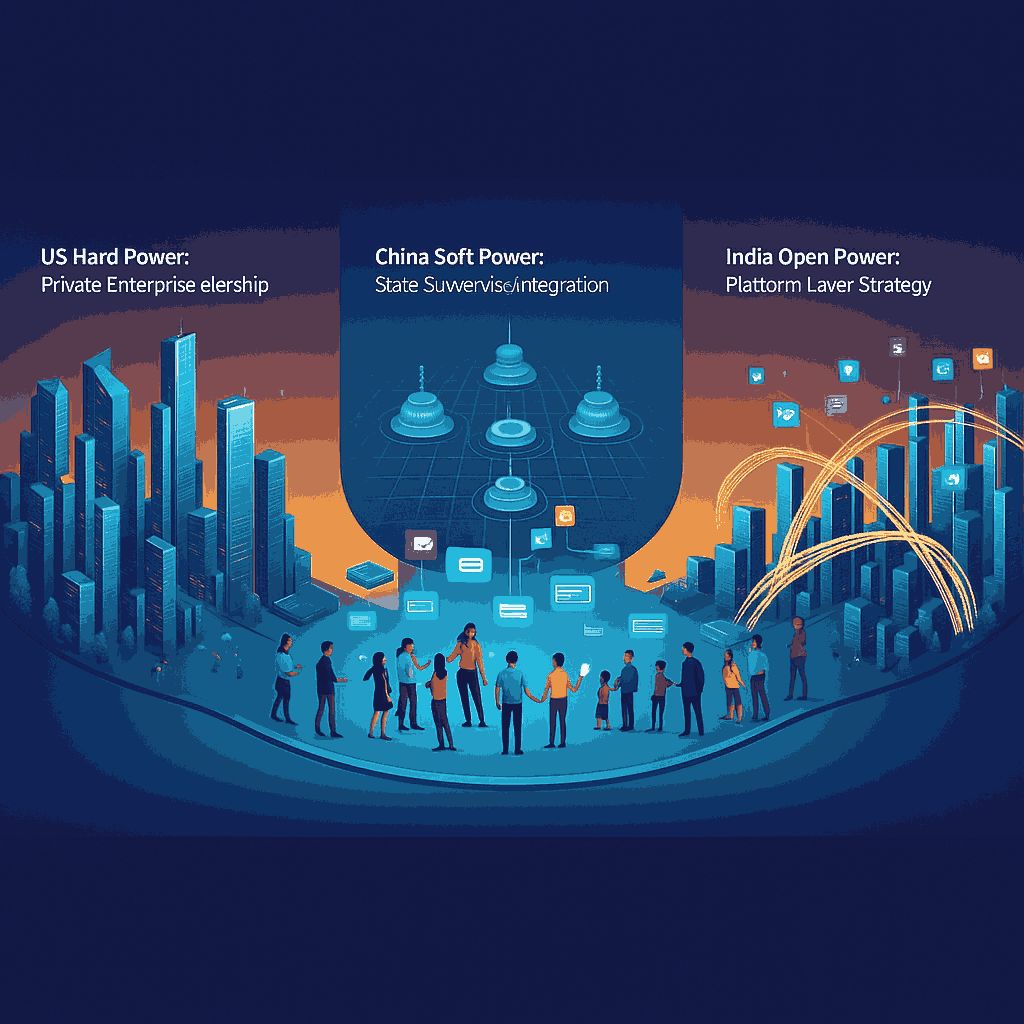
Sovereign Technology: What Models Can Nations Follow and How Can They Improve Citizen Lives? Lessons and Options from US, China and India
-
The Lost Art of Debate: Can AI Help Citizens Unite and Build Shared Vision for Our Nations Amidst Polarization?
Thank you for your sharing. I am worried that I lack creative ideas. It is your article that makes me full of hope. Thank you. But, I have a question, can you help me?